Introduction: Why Immediate Action Matters More Than You Think
Spills happen. One second you’re enjoying a cup of coffee or a glass of red wine, and the next, it’s soaking into your carpet. That sinking feeling? It’s real. But here’s the truth: a spill doesn’t have to become a permanent stain — if you act fast and act smart.
Carpet fibers are incredibly absorbent. They’re designed to trap dirt and debris, which also means they trap liquids quickly. The longer a spill sits, the deeper it travels — from the surface fibers down into the carpet backing and even the padding underneath. Once that happens, you’re no longer just dealing with a surface stain. You’re battling a deep-set problem that can resurface days or even weeks later.
The key is understanding that the first few minutes are critical. Think of it like first aid for your carpet. Immediate response can mean the difference between a simple cleanup and costly professional restoration.
This guide will walk you step-by-step through exactly what to do after a spill — no guessing, no myths, just practical emergency-style instructions. You’ll also learn what not to do, because sometimes good intentions can make stains worse. And if things get out of hand, you’ll know when it’s time to call in Denton’s trusted stain rescue experts at Quality Care Carpet Cleaning.
Let’s get into action mode.
The First 60 Seconds: Why Timing Is Everything
When a spill hits your carpet, the clock starts ticking immediately. Within seconds, liquid begins spreading outward and downward. Carpet fibers act like tiny straws, pulling moisture into their structure. This process is called capillary action, and it works fast — faster than most homeowners realize.
In the first minute:
-
Liquid is still mostly on the surface.
-
Fibers are beginning to absorb moisture.
-
The spill hasn’t fully penetrated the padding.
After five minutes, however, things change dramatically. The liquid starts bonding with carpet dyes. If it’s something acidic like wine or coffee, it can begin altering the color of the fibers. Sugary drinks? They leave sticky residues that attract dirt long after the spill dries.
Wait 30 minutes or more, and you may be dealing with:
-
Deep penetration into carpet padding
-
Odor development
-
Bacterial growth (especially with milk or pet accidents)
-
Stains that reappear after cleaning
That’s why immediate action matters more than fancy cleaning products. Speed beats chemicals every time.
So what should you do first? Let’s break it down step by step.
Step One: Stop the Spill at the Source
Before grabbing towels, pause for one quick second and stop the cause of the spill. Is the glass still tipping? Is a child or pet walking through the liquid? Is more liquid dripping from a container?
Remove the source immediately to prevent spreading. Then assess the size of the spill. Small puddle? You can handle it quickly. Large soak-through area? You’ll need more towels and a more aggressive approach.
If the spill is thick — like sauce or yogurt — gently lift any solids using a spoon. Do not press them into the carpet. Scoop upward carefully. Think of it like lifting snow off grass — not grinding it in.
This first step prevents expansion. It may seem obvious, but skipping it can turn a small accident into a much bigger problem.
Now it’s time for the most critical technique in carpet emergency care.
Step Two: Blot, Don’t Rub — The Correct Technique Explained
You’ve probably heard it before: “Blot, don’t rub.” But what does that really mean?
Blotting is a controlled pressing motion that absorbs liquid without spreading it. Rubbing, on the other hand, pushes liquid deeper into the fibers and can permanently damage the carpet’s texture.
Why Rubbing Makes It Worse
When you rub:
-
You force liquid deeper into the padding.
-
You fray carpet fibers.
-
You enlarge the stained area.
-
You create fuzzing or distortion.
It’s like scrubbing ink into paper — the more you push, the deeper it sets.
The Right Tools to Use
Use:
-
Clean white microfiber cloths
-
White paper towels
-
A dry absorbent towel
Avoid colored towels. Dyes can transfer onto damp carpet.
Here’s the correct technique:
-
Place a clean cloth over the spill.
-
Press firmly using your palm or foot.
-
Hold pressure for 5–10 seconds.
-
Lift straight up.
-
Rotate to a clean section and repeat.
Keep blotting until little to no moisture transfers onto the cloth.
Patience is key. This may take several rounds. But this simple technique removes the majority of the liquid before it becomes a permanent stain.
Step Three: Identify the Type of Spill
Not all spills are created equal. Treating grease like juice won’t work. Identifying the type of spill determines your next move.
Water-Based Spills
Examples:
-
Juice
-
Soda
-
Coffee (without cream)
-
Mud
These are generally easier to remove because they dilute with water.
Oil-Based Spills
Examples:
-
Salad dressing
-
Makeup
-
Butter
-
Cooking oil
Oil repels water, so you’ll need a mild detergent solution.
Protein-Based Spills
Examples:
-
Milk
-
Blood
-
Pet accidents
-
Vomit
These require cooler water and specific cleaning solutions to avoid setting the protein permanently.
Correct identification prevents you from making the problem worse. When in doubt, treat gently and avoid heat.
Step Four: Apply the Right Cleaning Solution Safely
After blotting most of the liquid, you may need a cleaning solution to remove residue.
Homemade Solutions That Work
For most water-based spills:
-
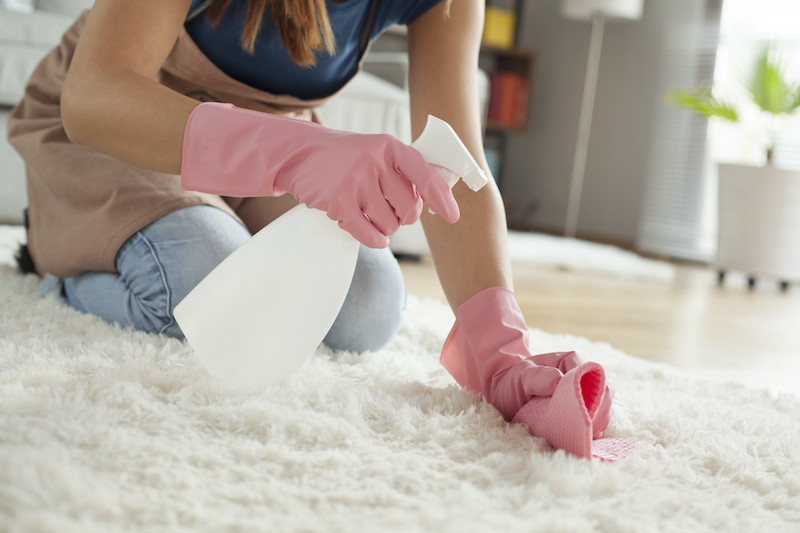
Mix 1 cup warm water with 1–2 drops of mild dish soap.
-
Lightly apply using a spray bottle.
-
Blot again.
For odors:
-
Mix equal parts white vinegar and water.
-
Lightly mist (don’t soak).
-
Blot thoroughly.
Store-Bought Cleaners to Use Carefully
If using commercial carpet cleaners:
-
Test in an inconspicuous area first.
-
Avoid oversaturating.
-
Follow label instructions carefully.
What Never to Use on Carpet
Avoid:
-
Bleach
-
Ammonia
-
High-alkaline cleaners
-
Steam on fresh stains
-
Excessive water
These can discolor fibers or set stains permanently.
Professional cleaners emphasize one rule: less solution, more blotting.
How Spills Turn into Permanent Stains
Have you ever cleaned a spill only to see it reappear days later? That’s called wicking. Here’s why it happens.
When liquid reaches the carpet padding, it doesn’t fully come out during surface cleaning. As the carpet dries, moisture rises back up — bringing stain particles with it.
Other factors include:
-
Oxidation (chemical changes when exposed to air)
-
Dye bonding
-
Heat setting proteins
-
Residue attracting dirt
That innocent coffee spill? It can chemically alter fiber color within hours if untreated.
This is why professional equipment sometimes becomes necessary.
Common Mistakes That Make Stains Worse
Let’s be honest — panic causes mistakes.
Avoid these common errors:
-
Scrubbing aggressively
-
Using hot water immediately
-
Over-soaking the area
-
Mixing random cleaners
-
Waiting “to deal with it later”
Each of these actions can transform a temporary spill into a permanent stain.
Professional Cleaner Insights: What the Experts Do Differently
Professional carpet technicians approach stains scientifically.
They:
-
Identify fiber type (nylon, polyester, wool)
-
Test pH levels
-
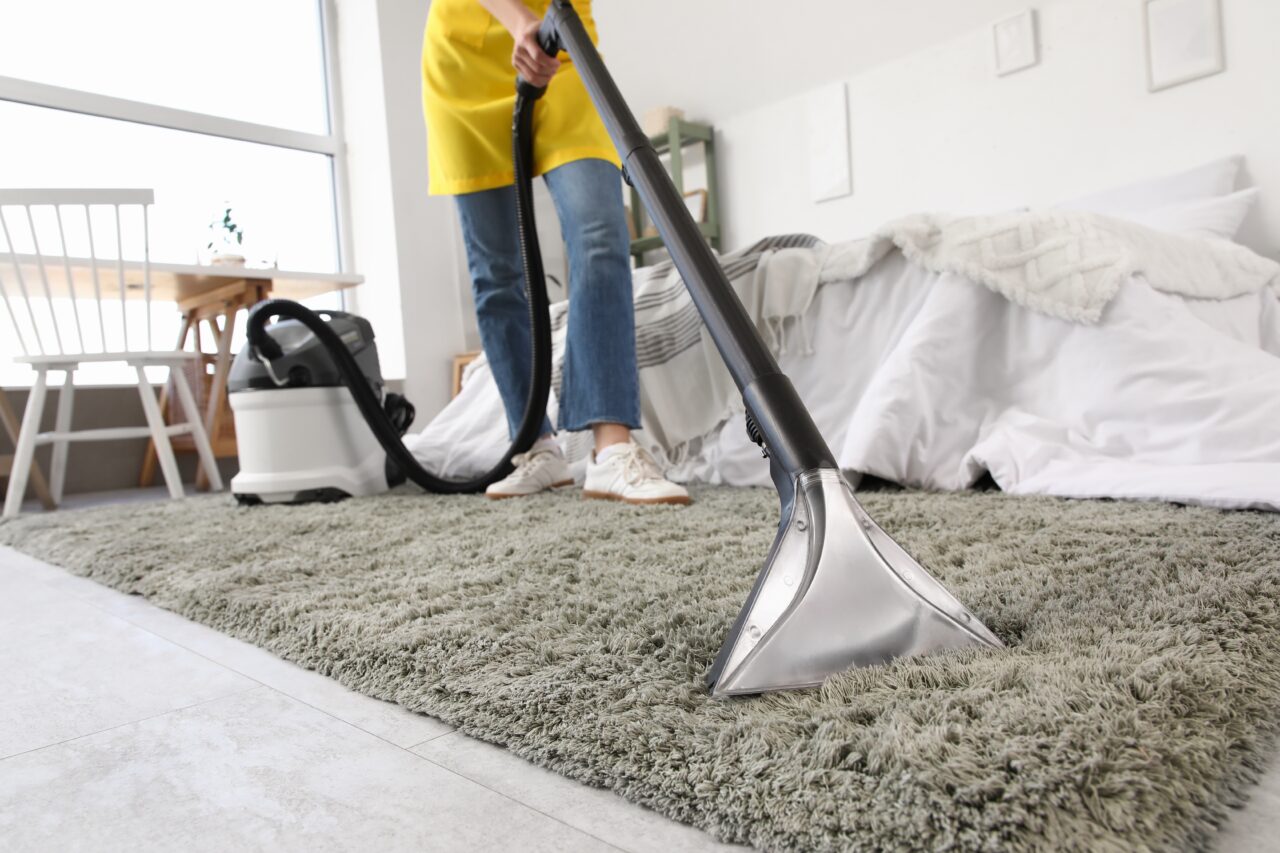
Use controlled moisture extraction
-
Apply targeted stain removers
-
Use high-powered drying equipment
According to experienced technicians, 80% of permanent stains they encounter could have been prevented with immediate proper blotting and minimal DIY experimentation.
When homeowners in Denton face stubborn stains, many turn to Quality Care Carpet Cleaning. Their stain rescue process targets both the surface fibers and underlying padding to prevent wicking and recurring discoloration.
Why Denton Homeowners Trust Quality Care Carpet Cleaning
Quality Care Carpet Cleaning has built a reputation in Denton for fast response and expert stain removal. They understand local carpet types, common household spill patterns, and how Texas humidity affects drying times.
Their emergency spot treatment services include:
-
Deep extraction
-
Advanced stain-neutralizing solutions
-
Odor elimination
-
Rapid drying systems
When DIY methods reach their limit, having a trusted professional can save thousands in carpet replacement.
Final Checklist: Your Carpet Spill Emergency Plan
When a spill happens, remember this:
-
Stop the source.
-
Scoop solids carefully.
-
Blot immediately — never rub.
-
Identify the spill type.
-
Use mild, safe solutions.
-
Avoid oversaturation.
-
Dry thoroughly.
-
Call professionals if needed.
Print it. Save it. Remember it.
Conclusion: Act Fast, Save Your Carpet
A carpet spill isn’t a disaster — unless you ignore it. Speed, technique, and the right products make all the difference. Blot carefully. Use gentle solutions. Avoid panic-driven scrubbing.
And if the stain refuses to budge or keeps coming back, don’t gamble with your flooring investment. Reach out to Denton’s trusted stain rescue experts at Quality Care Carpet Cleaning for emergency spot treatment and professional care.
Your carpet can recover — but only if you act now.
FAQs
1. How long do I have before a spill becomes permanent?
You typically have minutes, not hours. The first 5–10 minutes are critical.
2. Can I use vinegar on all carpet types?
Vinegar is generally safe when diluted, but always spot-test first.
3. Why does my stain come back after cleaning?
That’s likely wicking — residue rising from the padding underneath.
4. Is steam cleaning good for fresh spills?
No. Heat can set certain stains, especially protein-based ones.
5. When should I call a professional?
If the stain remains after proper blotting and safe cleaning — or if it’s large, deep, or odor-causing — it’s time for expert help.
Share this article
Related Posts



A quick overview of the topics covered in this article.
- Introduction: Why Immediate Action Matters More Than You Think
- The First 60 Seconds: Why Timing Is Everything
- Step One: Stop the Spill at the Source
- Step Two: Blot, Don’t Rub — The Correct Technique Explained
- Step Three: Identify the Type of Spill
- Step Four: Apply the Right Cleaning Solution Safely
- How Spills Turn into Permanent Stains
- Common Mistakes That Make Stains Worse
- Professional Cleaner Insights: What the Experts Do Differently
- Why Denton Homeowners Trust Quality Care Carpet Cleaning
- Final Checklist: Your Carpet Spill Emergency Plan
- Conclusion: Act Fast, Save Your Carpet
- FAQs