
When people think about air pollution, they picture smog, traffic, and factory smoke. But here’s the surprise: the air inside your home can actually be more polluted than the air outside. One of the biggest culprits hiding in plain sight is your carpet.
In Denton homes, carpets quietly collect dust, allergens, pollen, bacteria, and microscopic debris every single day. Over time, those trapped particles do not just sit there. They rise back into the air you breathe.
Let’s break down exactly how dirty carpets impact indoor air quality and what you can do to keep your home healthier.
Why Indoor Air Quality Matters More Than You Think
The Air You Breathe All Day Long
Most of us spend about 90 percent of our time indoors. That means every breath you take is influenced by what’s floating around your home, especially in bedrooms and living rooms where carpets are common.
If the air is filled with dust and allergens, your lungs are working overtime.
Hidden Pollutants Lurking in Your Floors
Carpets may look clean on the surface, but deep inside the fibers they hold:
-
Dust particles
-
Pet hair and dander
-
Outdoor pollen
-
Bacteria and germs
-
Mold spores from moisture
Think of carpet like a sponge for air pollution.
How Carpets Act Like Giant Air Filters (In a Bad Way)
Trapping Dust, Dirt, and Debris
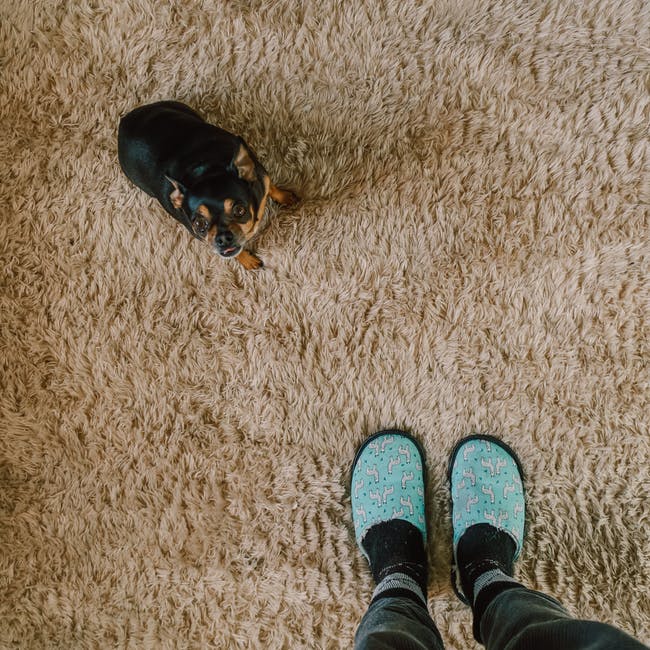
Every time someone walks across your carpet, microscopic particles fall off shoes, clothing, and skin. The fibers grab onto them and hold tight.
At first, that sounds helpful until the carpet fills up.
What Happens When Carpets Get Full
Once carpets are overloaded, normal movement like walking, vacuuming, or kids playing sends those particles right back into the air. It’s like shaking out a dusty blanket over your couch.
Suddenly, you’re breathing what your carpet has been storing.
Dust Buildup and Respiratory Problems
How Dust Gets Deep Into Carpet Fibers
Dust does not just sit on the surface. It sinks past what vacuums can easily reach and settles into the padding below.
Over time, this creates a constant dust reservoir.
Common Symptoms Linked to Dust Exposure
-
Sneezing
-
Runny nose
-
Coughing
-
Dry throat
-
Shortness of breath
-
Headaches
If these get worse at home, dirty carpets could be a big reason.
Allergens That Settle Into Carpets
Pollen From Denton’s Seasonal Changes
Denton’s spring and fall bring heavy pollen. Every time doors open, pollen drifts in and settles into carpet fibers.
Shoes track it in too, and it does not leave easily.
Pet Dander and Microscopic Irritants
If you have pets, their dander becomes embedded deep into carpets. Even homes without animals can collect allergens brought in from other environments.
This invisible buildup constantly recirculates into the air.
Bacteria and Germ Growth in Dirty Carpets
Moisture Plus Dirt Equals a Bacteria Playground
Spilled drinks, pet accidents, humidity, and wet shoes create moisture. Combine that with dirt trapped in carpet and you have the perfect breeding ground for bacteria.
Where Germs Hide Most
-
Carpet padding underneath
-
High-traffic walkways
-
Areas near doors
-
Around furniture edges
Some studies show carpets can hold more bacteria than toilet seats. Not exactly comforting.
How Dirty Carpets Make Allergies Worse
Sneezing, Coughing, and Itchy Eyes
When allergens get stirred into the air, your immune system goes into defense mode. The result feels like constant seasonal allergies even when pollen levels are low outside.
Why Kids and Seniors Are Most Affected
Children play on carpets. Seniors often have weaker respiratory systems. Both breathe closer to the floor where particles rise most easily.
Clean carpets make breathing easier.
Signs Your Carpet Is Hurting Your Air Quality
-
Rooms feel dusty quickly after cleaning
-
Musty or stale odors
-
Allergy symptoms indoors
-
Frequent coughing or sneezing
-
Carpet looks dull or matted
-
Lingering pet smells
If several sound familiar, your carpet may be polluting your air.
How Often Denton Homes Should Clean Carpets for Healthy Air
For good indoor air quality:
-
Every 6 months for most homes
-
Every 3 to 4 months with pets or allergies
-
Immediately after major spills
Regular deep cleaning removes what vacuums cannot reach.
DIY Cleaning vs Professional Carpet Cleaning
Vacuuming helps surface dust, but it does not remove:
-
Deep allergens
-
Bacteria
-
Odor-causing particles
-
Trapped debris in padding
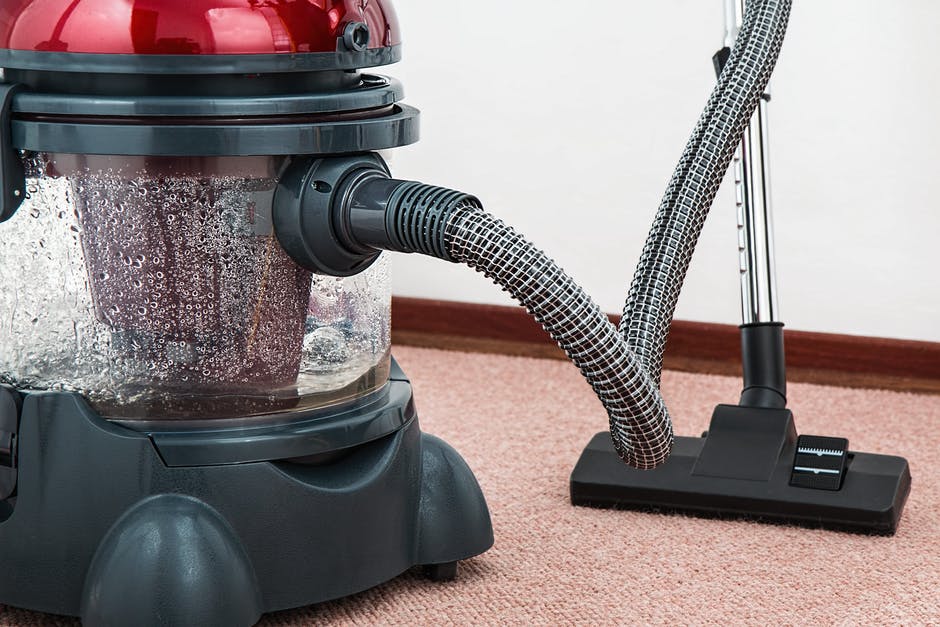
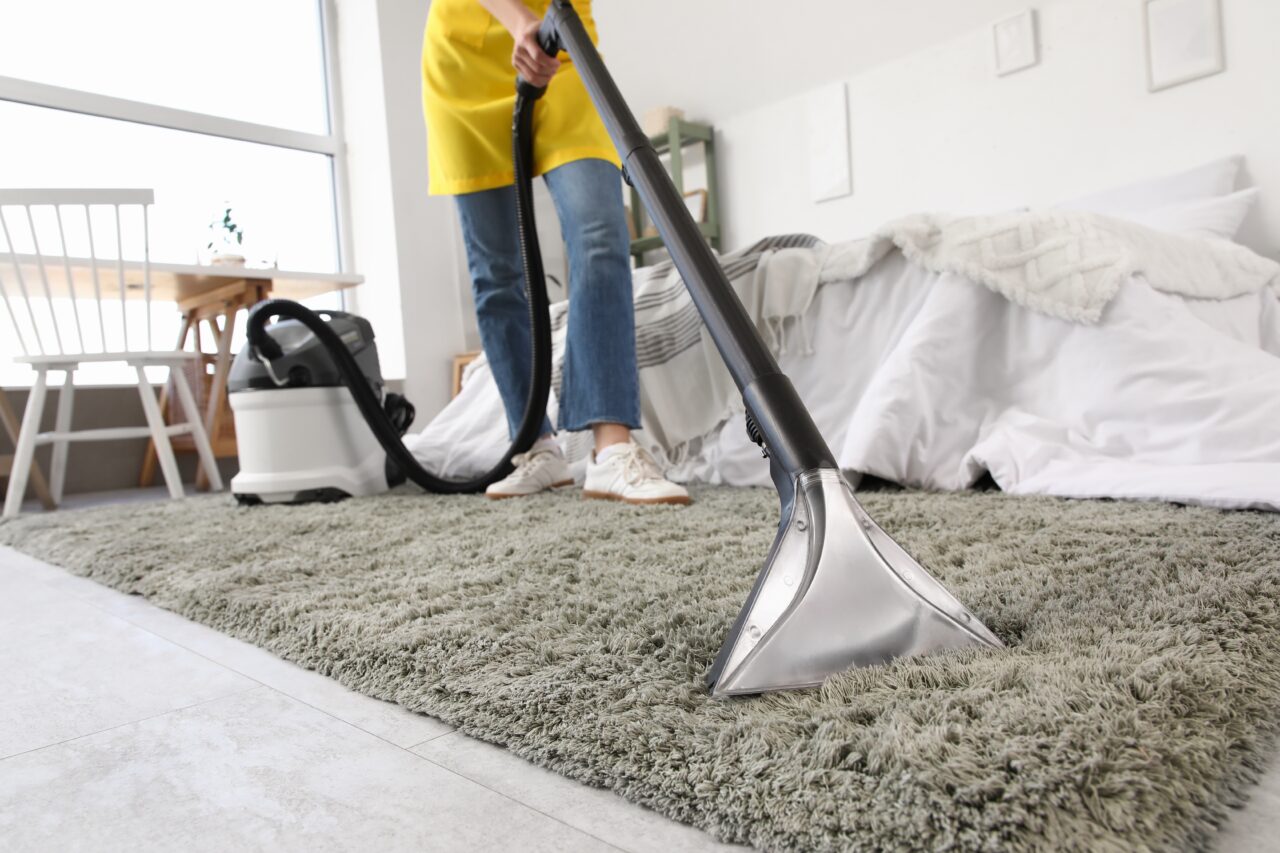
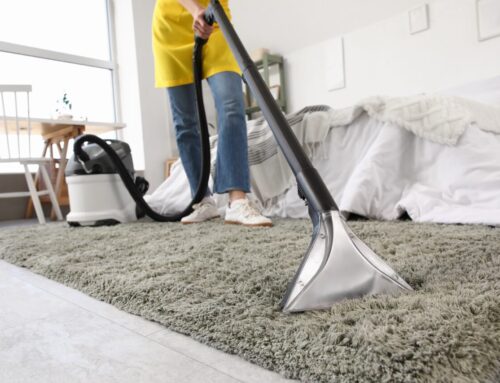
Professional cleaning uses hot water extraction and powerful suction to flush out deep contamination, improving air quality dramatically.
Simple Ways to Improve Indoor Air Quality Starting Today
-
Vacuum slowly two to three times per week
-
Use HEPA-filter vacuums
-
Remove shoes indoors
-
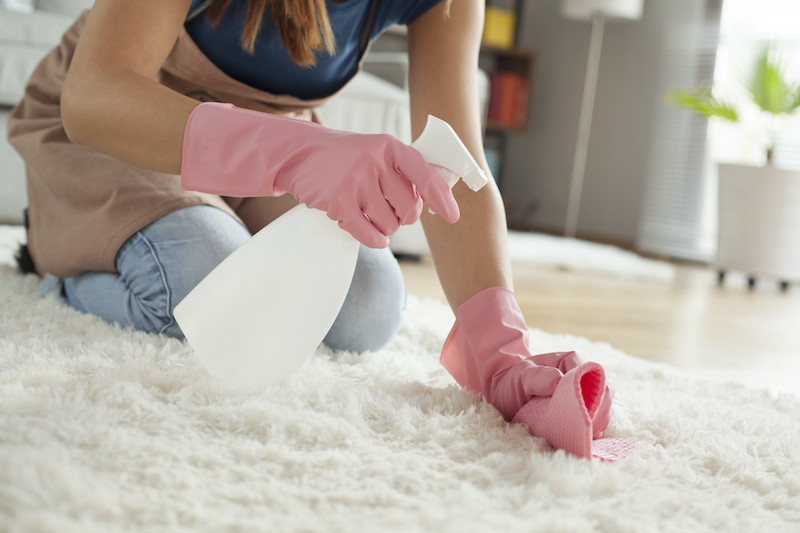
Clean spills immediately
-
Open windows when weather allows
-
Schedule professional carpet cleanings
Small habits make a huge difference.
Benefits of Clean Carpets Beyond Just Appearance
Clean carpets provide:
-
Fresher-smelling homes
-
Fewer allergy flare-ups
-
Healthier breathing
-
Longer carpet lifespan
-
Brighter rooms
It’s not just about looks. It’s about health.
Dirty carpets quietly damage indoor air quality in Denton homes every day. Dust, allergens, pollen, and bacteria build up deep in carpet fibers and get released back into the air with every step you take.
The result is more allergies, more respiratory issues, lingering odors, and a less healthy home overall.
By keeping carpets clean through regular vacuuming and deep cleaning, you are not just improving how your floors look. You are protecting the air your family breathes.
Clean floors truly mean cleaner air.
Share this article
Related Posts

A quick overview of the topics covered in this article.
- Why Indoor Air Quality Matters More Than You Think
- How Carpets Act Like Giant Air Filters (In a Bad Way)
- Dust Buildup and Respiratory Problems
- Allergens That Settle Into Carpets
- Bacteria and Germ Growth in Dirty Carpets
- How Dirty Carpets Make Allergies Worse
- Signs Your Carpet Is Hurting Your Air Quality
- How Often Denton Homes Should Clean Carpets for Healthy Air
- DIY Cleaning vs Professional Carpet Cleaning
- Simple Ways to Improve Indoor Air Quality Starting Today
- Benefits of Clean Carpets Beyond Just Appearance