
Why Post-Storm Cleaning Matters in Denton Homes
Spring storms in Denton, TX often arrive with heavy rain, strong winds, and unpredictable weather patterns. While the outdoor impact is immediately visible, the indoor consequences—especially on carpets and tile flooring—are often underestimated. Muddy footprints, excess moisture, and debris tracked indoors can quickly compromise the cleanliness, safety, and longevity of your flooring surfaces.
For homeowners, the aftermath of a storm presents both immediate and long-term challenges. Moisture trapped in carpets can lead to odors and deterioration, while dirt embedded in grout lines can cause discoloration and bacterial buildup. Addressing these issues promptly is essential to maintaining a healthy and well-preserved home environment.
This comprehensive checklist outlines the critical steps for effective post storm carpet cleaning Denton TX homeowners can rely on, along with proven methods for tile cleaning Denton TX residents trust to restore their floors.
Understanding the Impact of Storms on Flooring
How Storms Affect Carpets
Carpet fibers are highly absorbent, making them particularly vulnerable during storm conditions. When rainwater and mud are tracked inside, carpets quickly trap moisture, dirt, and organic debris. This can result in:
- Embedded soil deep within fibers
- Lingering dampness beneath the surface
- Increased risk of staining and discoloration
- Odor development due to trapped moisture
How Storms Affect Tile and Grout
While tile surfaces are more resistant to water, grout lines are porous and highly susceptible to contamination. Storm-related debris and moisture can lead to:
- Darkened or stained grout lines
- Slippery residue buildup on tile surfaces
- Accumulation of bacteria in grout pores
- Long-term deterioration of grout integrity
Understanding these risks is the first step toward implementing an effective cleaning strategy.
Immediate Post-Storm Cleaning Checklist
1. Remove Excess Debris and Mud
Begin by addressing visible debris as soon as possible. Allowing mud to dry completely can make removal more difficult and increase the likelihood of permanent staining.
Steps to follow:
- Use a plastic scraper or dull edge tool to lift thick mud deposits
- Avoid rubbing wet mud deeper into carpet fibers
- Sweep or vacuum loose debris from tile surfaces
Prompt removal reduces the amount of material that can penetrate deeper into flooring materials.
2. Dry Affected Areas Quickly
Moisture control is the most critical factor in preventing long-term damage. Even minor dampness can compromise carpet padding and grout integrity if left untreated.
Effective drying methods include:
- Opening windows to promote airflow
- Using fans to circulate air across wet surfaces
- Placing absorbent towels on damp carpet areas
- Running dehumidifiers to reduce indoor humidity levels
Timely moisture removal helps preserve both carpet structure and grout durability.
3. Vacuum Thoroughly Once Dry
After surfaces have dried sufficiently, a thorough vacuuming is essential to remove residual dirt and particles.
Best practices:
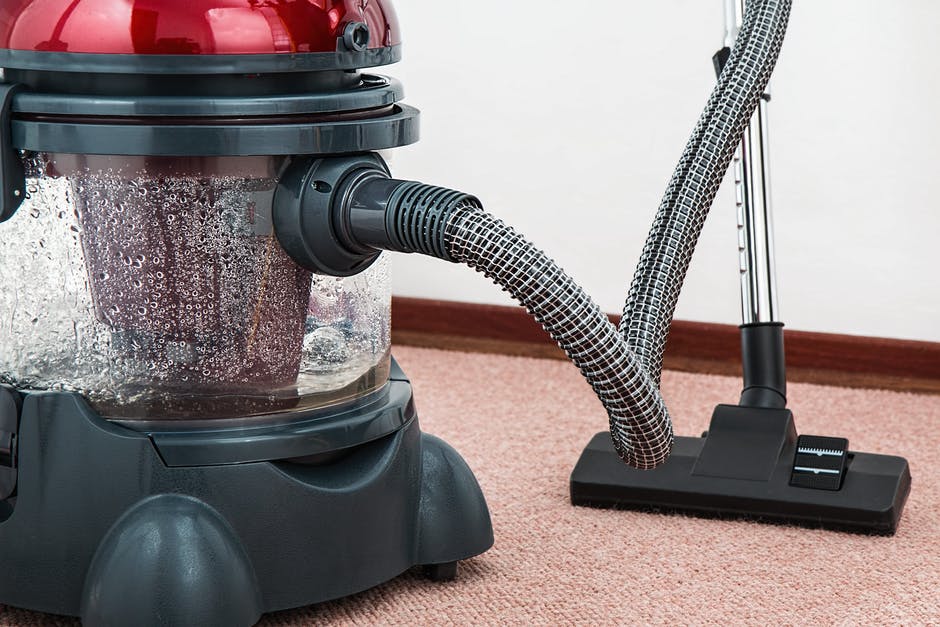
- Use a high-powered vacuum with strong suction
- Make multiple passes over high-traffic areas
- Focus on entryways and transition zones
This step prevents debris from settling deeper into fibers or grout lines.
Deep Cleaning Carpet After Storm Exposure
4. Spot Treat Stains Immediately
Storm-related stains often contain organic matter that can bond quickly to carpet fibers. Addressing stains early improves the likelihood of complete removal.
Common storm-related stains include:
- Mud and clay
- Grass and organic debris
- Water-based discoloration
Spot treatment tips:
- Blot stains gently rather than scrubbing
- Use appropriate cleaning solutions designed for carpet fibers
- Work from the outside of the stain inward to prevent spreading
5. Perform a Full Carpet Deep Cleaning
Surface cleaning alone is insufficient after significant storm exposure. Deep cleaning is necessary to extract embedded dirt and moisture.
Recommended methods:
- Hot water extraction to lift debris from deep within fibers
- Steam cleaning to sanitize and refresh carpets
- Professional-grade equipment for optimal results
Deep cleaning ensures that contaminants are fully removed rather than redistributed.
6. Address Odors and Residual Moisture
Even after visible cleaning, odors may persist if moisture remains trapped beneath the surface.
Odor control strategies:
- Apply deodorizing treatments specifically designed for carpets
- Ensure complete drying before replacing furniture
- Monitor affected areas for any signs of lingering dampness
This step is crucial for restoring indoor comfort and maintaining air quality.
Tile And Grout Cleaning After Storms
7. Clean Tile Surfaces Thoroughly
Tile surfaces may appear clean after basic wiping, but storm residue often leaves behind a thin film that requires deeper cleaning.
Effective cleaning techniques:
- Use a pH-balanced cleaner suitable for tile surfaces
- Mop thoroughly to remove dirt and residue
- Pay special attention to textured or uneven tiles
8. Focus on Grout Line Restoration
Grout lines require targeted attention due to their porous nature.
Grout cleaning checklist:
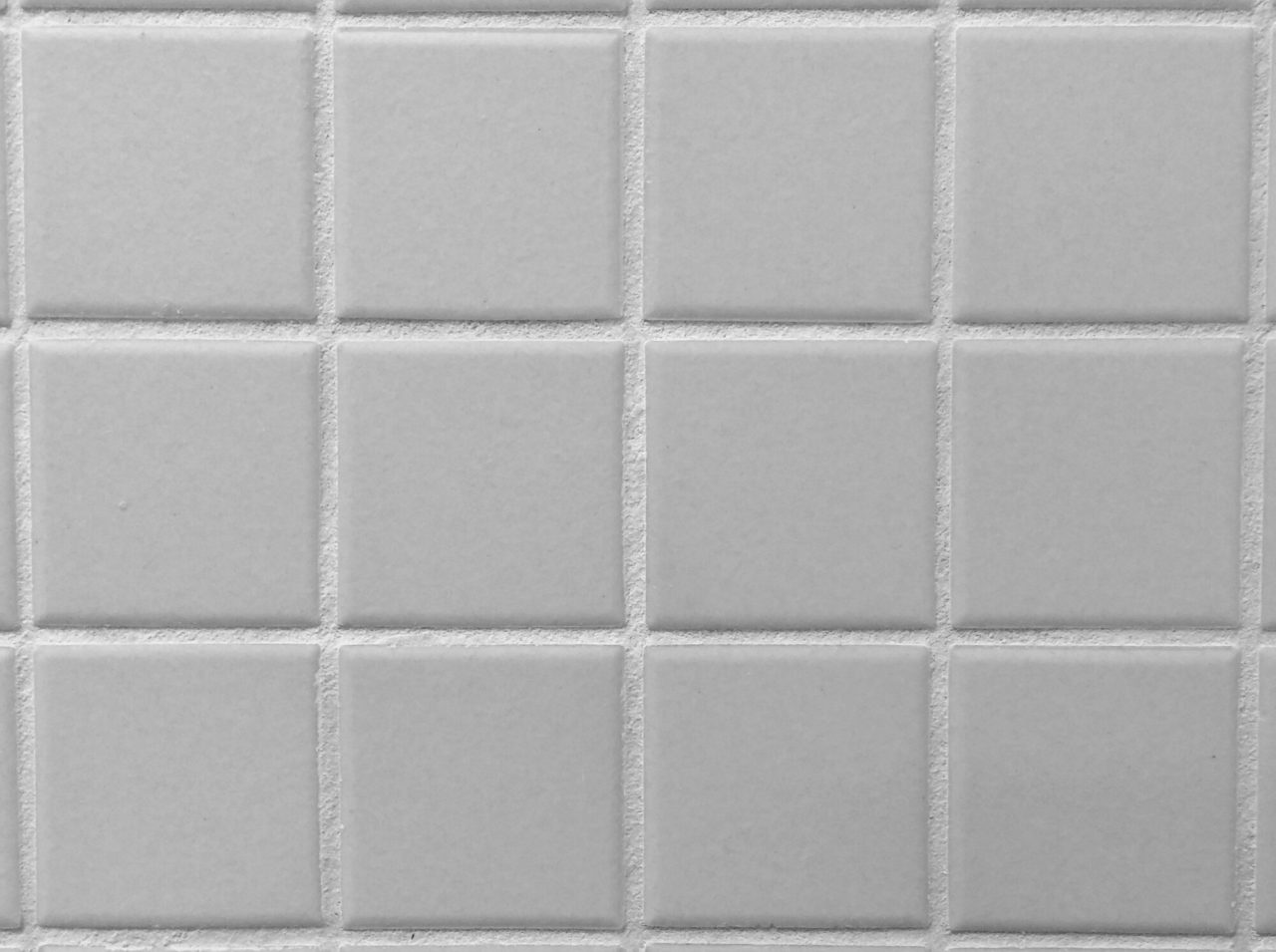
- Use a soft-bristle brush to scrub grout lines
- Apply specialized grout cleaning solutions
- Rinse thoroughly to remove loosened debris
Restoring grout not only improves appearance but also prevents long-term deterioration.
9. Sanitize and Protect Tile Areas
Stormwater can introduce contaminants that compromise hygiene. Sanitizing tile surfaces helps ensure a safe environment.
Steps include:
- Applying disinfecting solutions to high-traffic areas
- Allowing adequate dwell time for effective cleaning
- Rinsing and drying surfaces completely
Preventative Measures for Future Storms
10. Reinforce Entryway Protection
Preventing debris from entering the home is one of the most effective strategies for reducing post-storm cleaning demands.
Recommended solutions:
- Use heavy-duty entry mats both inside and outside doors
- Encourage removal of shoes upon entry
- Place absorbent rugs in high-traffic areas
11. Establish a Routine Cleaning Schedule
Consistent maintenance reduces the impact of unexpected storm-related messes.
Routine cleaning benefits:
- Prevents buildup of dirt and debris
- Maintains carpet and grout condition
- Reduces the need for intensive cleaning
12. Monitor Moisture-Prone Areas
Certain areas of the home are more susceptible to moisture accumulation.
Focus areas include:
- Entryways and mudrooms
- Basements and lower-level flooring
- Areas near windows and doors
Regular monitoring allows for early intervention.
When To Consider Professional Cleaning Services
The Limitations of DIY Cleaning
While homeowners can address minor issues, storm-related damage often extends beyond surface-level cleaning. Without specialized equipment, it is difficult to fully extract moisture and embedded debris.
Benefits of Professional Carpet And Tile Cleaning
Professional services provide a level of thoroughness that is difficult to achieve with standard household tools.
Key advantages include:
- Advanced moisture extraction techniques
- Deep cleaning of carpet fibers and grout lines
- Effective stain removal and odor control
- Faster drying times and improved results
For homeowners dealing with significant storm impact, professional post storm carpet cleaning Denton TX services offer a reliable solution for restoring flooring to its original condition.
Long-Term Protection For Carpets And Tile
Carpet Care Strategies
To extend the lifespan of carpets after storm exposure:
- Schedule periodic deep cleaning
- Address spills and stains promptly
- Use protective treatments when appropriate
Tile And Grout Maintenance
Maintaining tile surfaces requires consistent attention:
- Clean grout lines regularly
- Avoid buildup of dirt and residue
- Consider sealing grout to reduce porosity
Conclusion: Restore and Protect Your Denton Home
Storms are an inevitable part of life in Denton, TX, but the damage they leave behind does not have to be permanent. With a structured and proactive approach, homeowners can effectively manage the challenges of mud, moisture, and debris.
By following this post-storm carpet and tile cleaning checklist, you can protect your flooring investment, maintain a clean indoor environment, and prevent long-term damage. From immediate cleanup steps to preventative strategies, each action plays a critical role in preserving the integrity of your home.
For more extensive situations, professional cleaning services provide the expertise and equipment necessary to achieve deeper, more lasting results. Whether addressing stubborn stains, restoring grout lines, or removing trapped moisture, expert care ensures your home remains safe, clean, and comfortable after every storm.
Share this article
Related Posts






A quick overview of the topics covered in this article.