

Residential Upholstery Care
Professional Upholstery Cleaning in North DFW
Professional care for sofas, chairs and upholstered furniture affected by everyday use, spills, spots and buildup.
Furniture Gets Lived In
Your Furniture Gets Lived In.
Sofas, sectionals and chairs are some of the most-used surfaces in a home. Over time, upholstery can collect more than the occasional visible spill. Dirt, dust, body oils, pet hair, dander, food residue and everyday soil can gradually settle into the fabric.
Everyday Use
Body oils, sweat and repeated contact gradually affect frequently used areas.
Pets
Pet hair, dander and odors can settle into upholstered surfaces and cushions.
Spills + Stains
Food, drinks and everyday accidents can leave visible stains and residue.
Dust + Allergens
Dust, pollen and other allergens can collect within upholstery just as they do in carpet.
The Right Care for the Material
Different Fabrics Need Different Care.
Different upholstery materials can respond differently to moisture, cleaning solutions and cleaning methods. Quality Care evaluates the upholstery and selects the appropriate cleaning solution and method for the fabric rather than treating every piece of furniture the same way.
Quality Care evaluates the furniture and uses an appropriate cleaning approach for the material.
Why the Fabric Matters
Using the wrong cleaning product or method can lead to problems such as discoloration, staining or damage. Identifying the upholstery and choosing the appropriate cleaning approach is an important part of professional furniture cleaning.
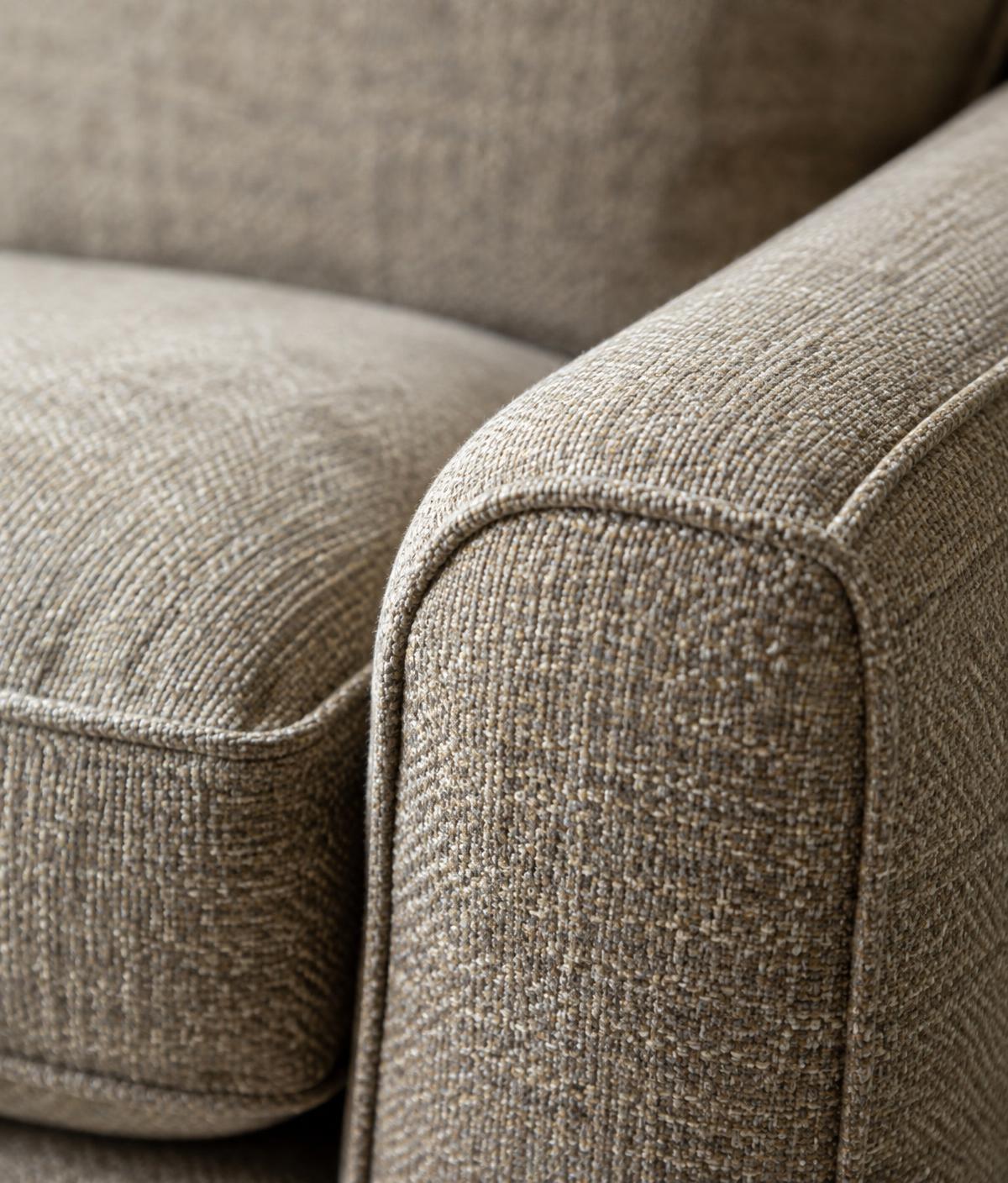
Upholstered Furniture
Professional Care for the Furniture You Use Most.
- Sofas
- Sectionals
- Upholstered Chairs
- Dining Chairs
Have something else you'd like cleaned? Send us the details and request a quote. Request a Quote
Thoughtful Upholstery Care
The Right Approach Starts With the Furniture.
Because upholstery varies from piece to piece, the cleaning approach begins with understanding the material and condition.
- 01
Assess
Quality Care evaluates the furniture, upholstery fabric, visible soil, stains and overall condition before determining the appropriate cleaning approach.
- 02
Clean
The appropriate professional cleaning solution and method are selected for the upholstery to address accumulated dirt, oils, stains and other buildup.
- 03
Finish With Care
The furniture is carefully finished and left to dry according to the cleaning method and fabric involved.
More Than Appearance
What Builds Up in Upholstery Over Time?
Furniture can look relatively clean while still holding onto the effects of everyday life. Upholstery can accumulate dust, pollen, pet dander, body oils, bacteria, food residue and other soil below the visible surface.
Professional upholstery cleaning reaches beyond routine vacuuming and surface cleaning to address deeper buildup within the fabric.
Dust + Pollen
Dust and airborne particles can settle into upholstered furniture over time.
Pet Dander + Hair
Pet-related buildup can become embedded in frequently used sofas and chairs.
Body Oils + Everyday Soil
Repeated contact gradually deposits oils and soil into the fabric, particularly on arms, headrests and commonly used seating areas.
Odors + Bacteria
Spills, food, pets and everyday use can contribute to odors and bacterial buildup within upholstery.
Spots, Stains & Wear
Not Every Spot Is the Same.
Spills, stains, discoloration and fabric wear can affect upholstery differently. What can be improved depends on the material, what caused the mark and the condition of the fabric.
Spills & Spots
Food, drinks, pet accidents and other everyday spills may respond to professional cleaning depending on what caused the spot and the upholstery involved.
Stains & Discoloration
Some substances can alter the fabric or dye rather than simply leaving removable soil behind. The result depends on the material, stain and previous treatments.
Wear & Damage
Cleaning can remove soil and improve the appearance of upholstery, but it cannot repair torn fabric, worn fibers, burns, structural damage or other physical deterioration.
We'll assess the piece and give you an honest recommendation based on what we're working with.
Does It Need Cleaning or Is It Time to Replace It?
Furniture that looks dull, soiled or stained does not necessarily need to be replaced. When the fabric and furniture are still structurally sound, professional cleaning can help refresh the appearance, remove accumulated soil and odors, and extend the useful life of the piece.
Physical problems such as torn or severely worn fabric, broken frames, damaged springs, burns or significant structural deterioration are different. Cleaning can improve cleanliness and appearance, but it cannot repair physical damage.
Not sure about a particular piece?
Helpful Details
Upholstery Cleaning Questions
Looking for something else? Browse all residential services or contact us.
How often should upholstery be professionally cleaned?
Every 12 to 24 months is a good guide, depending on how much the furniture is used. Homes with children, pets or heavier use may benefit from more frequent cleaning.
Can all upholstery be cleaned the same way?
No. Different upholstery materials require different cleaning solutions and methods. Quality Care evaluates the fabric and determines the appropriate approach for each piece.
Can professional cleaning remove every stain?
Not always. Results depend on the stain, the fabric, its condition and any previous treatment. Some substances alter the fabric or dye, and physical damage or permanent discoloration can't necessarily be corrected through cleaning.
Does upholstery cleaning help with allergens?
Yes. Upholstered furniture can trap dust, pollen, pet dander, bacteria and other allergens. Professional cleaning helps remove that accumulated buildup from the fabric, contributing to improved indoor air quality and a fresher home.
How long does upholstery take to dry?
Drying time depends on the cleaning method and the fabric, along with conditions in your home such as airflow and humidity. We'll give you a better idea for your specific piece.
Is professional upholstery cleaning safe for homes with children and pets?
Quality Care uses the proper cleaning solution and method for each type of upholstery fabric. If you have children, pets or specific sensitivities, let us know when you schedule and we'll talk you through the approach.
What can I do between professional cleanings?
Vacuum upholstery regularly, address spills promptly, rotate cushions where the furniture allows it and give extra attention to the pieces your household uses most.
Can you clean sofas and sectionals?
Yes. Sofas and sectionals are some of the most common pieces we clean.
Do I need to move my furniture?
Please ask when you schedule—we'll let you know what, if anything, to prepare, including small items worth clearing from around the piece.
Do I need to know what type of fabric I have?
No. Any details you have, such as a care tag, are helpful, but the furniture is assessed before cleaning either way.
Ready to Refresh Your Furniture?
Schedule your upholstery cleaning online in just a few steps.
Not sure about a particular piece? Request a quote instead.